Your Favorite Show's Train Station Is Real — And It Needs Your Tourism Dollars
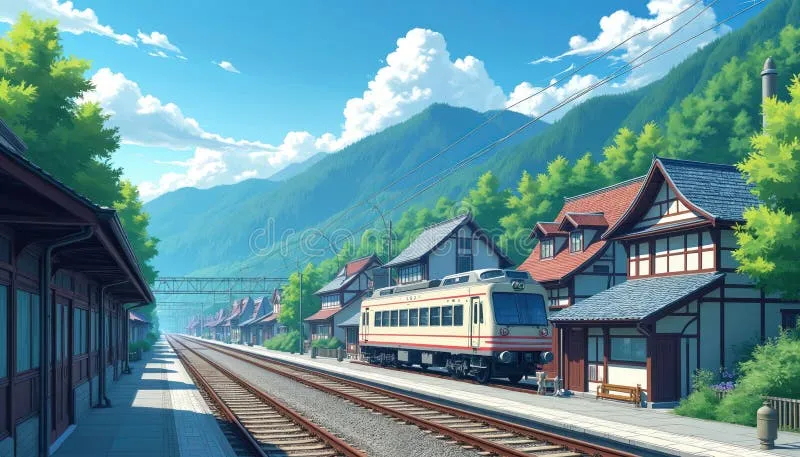
Photo: japanese rural train station platform anime style countryside, via thumbs.dreamstime.com
There's a train station in the city of Hida-Takayama that gets tens of thousands of visitors a year for one reason: a fictional girl with a guitar used to stand there. Nothing happened at the station, plot-wise. It's a background. And yet people fly thirteen hours from Los Angeles to photograph it.
Welcome to seichi junrei — literally "holy site pilgrimage" — the Japanese term for visiting real-world locations that appear in anime and manga. What started as a niche fan practice has become a genuine economic force, and US travelers are a bigger part of it every year.
When a Background Becomes a Destination
The logic of anime tourism is strange until you've felt it yourself. Anime backgrounds are famously hand-drawn from real references — production teams take photo trips, then recreate streets, shrines, and train crossings with loving precision. When fans recognize a spot, the show and the place fuse in memory. Standing where your favorite character stood isn't sightseeing. It's closer to touching the story.
The classic examples are everywhere. Your Name sent fans to Hida-Furukawa and the real-life Suga Shrine staircase in Tokyo. Suzume put rural train platforms on the map. Laid-Back Camp turned Yamanashi's campgrounds into reservations-required destinations. And Washimiya, a small town in Saitama Prefecture, went from anonymous rice country to hosting tens of thousands of Lucky Star pilgrims every December.
The Towns That Got Saved by Fandom
Here's the part that surprises most Americans: many of these locations wanted the attention. Japan's rural population decline has hollowed out entire prefectures, and local governments have learned that one well-placed anime collaboration can outperform a decade of conventional tourism marketing.
The anime tourism association — yes, that's a real organization — publishes an annual list of the 88 best anime destinations, a nod to the famous Shikoku temple pilgrimage. Prefectures run official "pilgrimage passport" stamp programs. Gift shops that would've closed ten years ago now sell character mochi to visitors from Dallas.
It's not always seamless. Locals in residential neighborhoods featured in megahits have occasionally had to post signs asking fans to keep noise down and stay off private property. The etiquette matters: these are working towns, not theme parks. Take your photo, buy something, bow, and move along.
Building Your Own Pilgrimage Itinerary
If you're a US traveler plotting your first seichi junrei, a few things will save you serious pain:
- Use the fan-made databases first. Sites like AnimeTourism and dedicated wikis map real locations with GPS coordinates, often with side-by-side screenshots. Japanese Twitter (X) and Instagram location tags fill in the gaps.
- Cluster by region, not by show. Tokyo alone can eat a week. If pilgrimage is the priority, pair it with day trips — Kamakura for Slam Dunk's famous railway crossing, Kawagoe for March Comes in Like a Lion, Chichibu for Anohana.
- Get the JR Pass math right. Regional rail passes often beat the national one now that prices have jumped. Rural pilgrimage spots mean regional trains, so plan around timetables — some stations run twice an hour or less.
- Learn the etiquette phrase. "Shashin dake tottemo ii desu ka?" — "Is it okay if I just take a photo?" — will earn you goodwill at every shrine and shopfront.
- Buy the local stuff. A regional character collab drink or a shrine goshuin (seal-stamped calligraphy) supports the town directly and makes a better souvenir than anything at the airport.
Why It Hits Different
There's a reason this phenomenon grew instead of fading. Streaming flattened anime into content you can consume anywhere, and pilgrimage is the counter-move: making the story physical again. Fans describe standing at a real crossing in Hida-Furukawa and hearing the show's soundtrack in their head without trying. That's not marketing. That's the strange, sincere way fandom works when it leaves the screen.
So if you've got a Japan trip on the vision board, skip one Tokyo day. Take the train somewhere a fictional character once stood. The town probably needs it — and honestly, so do you.