Your Favorite Anime Characters Are Dressing Better Than You — And TikTok Knows It
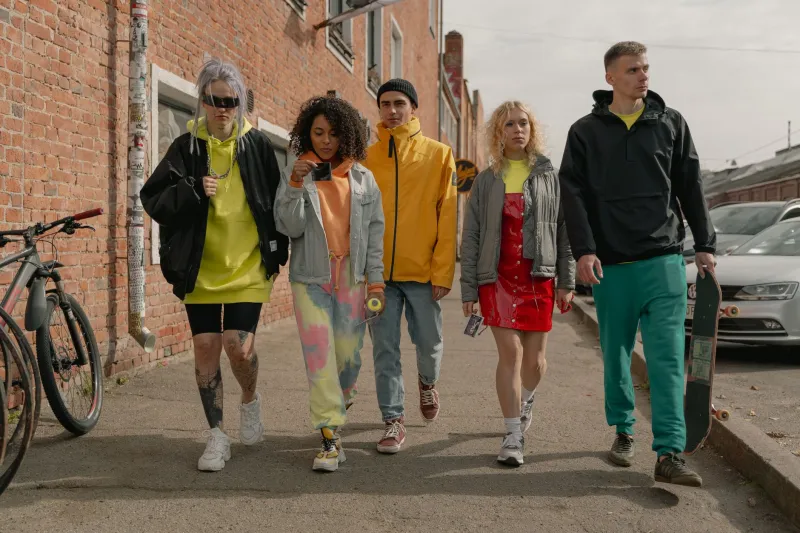
Scroll through fashion TikTok for about ten minutes and you'll spot it — a thrift haul captioned "Nanami Kento-core," a GRWM video soundtracked by an anime OP, an outfit breakdown that name-drops a character from Chainsaw Man the same way it might reference a Zara lookbook. Anime fashion has stopped being a niche cosplay conversation and started being a legitimate style reference point for Gen Z, and honestly, it makes complete sense.
These characters are dressed. Like, really dressed. And the internet noticed.
How We Got Here
Anime has always had strong visual design — that's kind of built into the DNA of the medium. Character designers spend serious time developing looks that communicate personality, status, and story at a glance. But for a long time, that appreciation stayed pretty contained within fan communities. Cosplay was the main pipeline between anime aesthetics and real-world fashion, and while cosplay has always been creative and impressive, it reads as costume, not style.
What changed? A few things collided at once.
First, streaming made anime genuinely mainstream in the US. When Demon Slayer and Jujutsu Kaisen started pulling in audiences who'd never watched subtitled content before, the character designs got exposed to a much wider pool of style-conscious viewers. Second, TikTok's algorithm doesn't care about genre boundaries — a video about Gojo Satoru's drip can land on the For You Page of someone who's never watched an episode of anime in their life, purely because the aesthetic is compelling. Third, and maybe most importantly, the fashion itself in newer anime has genuinely leveled up.
The Characters Setting the Agenda
Not every anime has fashion-forward designs, but the ones that do are getting studied.
Nanami Kento from Jujutsu Kaisen has become something of a TikTok style icon for the "quiet luxury" crowd — the fans who are into minimal, tailored, understated looks. His off-duty aesthetic (wide-leg trousers, simple button-downs, that iconic tie) reads like something you'd see in a Uniqlo campaign, and creators have been building entire "Nanami-inspired" hauls around it. It's clean, it's wearable, and it photographs beautifully, which matters a lot on a visual platform.
Power from Chainsaw Man occupies the opposite end of the spectrum — chaotic, loud, maximalist, unbothered. Her look isn't really about specific garments; it's about energy. The "Power-coded" aesthetic on TikTok tends to show up as bold color combinations, slightly disheveled layering, and a general "I woke up like this and somehow it worked" vibe. It's more of a mood than a style guide, but that makes it incredibly versatile.
Reze, also from Chainsaw Man, has a completely different pull — her design is sleek and almost editorial in a way that feels more intentional than most side characters get. The fandom noticed, and the fashion content around her tends to skew toward dark, structured silhouettes.
And then there's the entire Demon Slayer uniform situation. The Hashira designs are legitimately stunning — each one is a variation on a base uniform that's been customized to reflect the character wearing it. Tengen Uzui's fit in particular has become a reference point for people interested in statement pieces and maximalist accessories. The man wears face gems as part of his battle gear. Fashion people respect that.
Cosplay as a Style Bridge
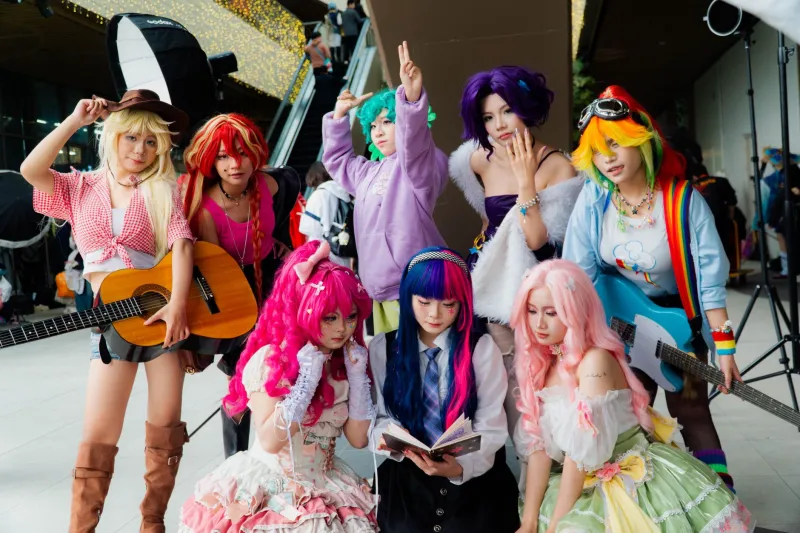
Here's something the mainstream fashion conversation sometimes misses: cosplay creators have been doing the hard work of translating these aesthetics into wearable, real-world outfits for years. The "casual cosplay" or "closet cosplay" movement — where fans recreate character looks using regular clothing instead of costumes — is basically a fashion editorial series at this point.
Creators who do this well have massive followings, and their content functions as a genuine style resource. They're showing audiences how to pull off a Mikasa Ackerman-inspired outfit using pieces from Target and Depop, or how to channel Faye Valentine energy with a vintage find and the right accessories. It's practical, it's creative, and it's been quietly building the bridge between anime aesthetics and everyday fashion for longer than TikTok has existed.
That foundation is why the current moment feels less like a trend and more like a culmination.
The Streetwear Crossover
It's not just individual fans making this connection — actual brands are paying attention. Anime-branded streetwear collabs have been increasing steadily, with drops from companies like Uniqlo (their UT line has featured Demon Slayer, Naruto, and Jujutsu Kaisen graphics), and more boutique streetwear brands doing limited-run pieces inspired by specific aesthetics. When a Jujutsu Kaisen graphic tee sells out in hours, that's not just fan loyalty — that's fashion demand.
The line between "anime merch" and "streetwear" has genuinely blurred, and younger American consumers are the ones making that happen. They don't see a distinction between wearing a band tee and wearing a character graphic. It's all self-expression. It's all aesthetic communication.
What This Means for Anime Culture
Fashion is one of the clearest signals that a subculture has crossed over into the mainstream. When people who aren't deeply embedded in a fandom start using its visual language to express their own identity, something has shifted. That's where anime is right now in the US, at least among younger audiences.
For the community, that's mostly a good thing. More visibility means more conversation, more creative output, and more reasons for people to actually watch the shows behind the aesthetics. The best-case scenario is someone who falls in love with Nanami's fits, watches Jujutsu Kaisen to understand the character, and then falls deep into the fandom.
It happens. TikTok is full of "I started watching because of the fashion" testimonials.
Anime has always been visually ambitious. It's nice to see the rest of the internet finally catching up.